
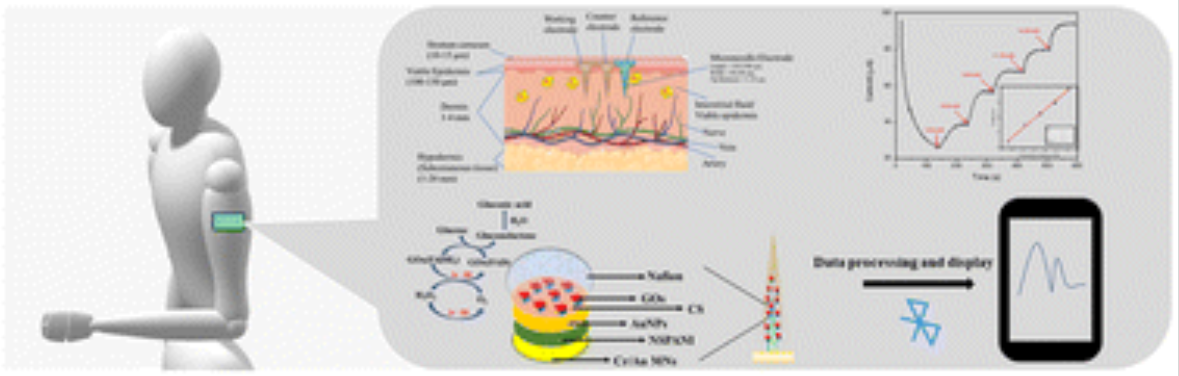
Early detection of hypo/hyperglycemia using a microneedle electrode array-based biosensor for glucose ultrasensitive monitoring in interstitial fluid
Diabetes is a common chronic metabolic disease with a wide range of clinical symptoms and consequences and one of the main causes of death. For the management of diabetes, painless and continuous interstitial fluid (ISF) glucose monitoring is ideal. Here, we demonstrate continuous diabetes monitoring using an integrated microneedle (MN) biosensor with an emergency alert system. MNs are a novel technique in the field of biomedical engineering because of their ability to analyze bioinformation with minimal invasion. In this work we developed a poly(methyl methacrylate) (PMMA) based MN glucose

Applied Techniques for Wastewater Treatment: Physicochemical and Biological Methods
Polluted water is one of the significant challenges facing the world nowadays, especially with the noticed water shortage recorded in the last period. Different treatment methods, physicochemical and biological, were presented for pollutant removal from polluted wastewater. This review discusses the treatment methods starting from the biological part to help reduction of organics, which are solids that appear in the wastewater. After that, the physicochemical techniques will be discussed as a second part of the treatment process to minimize the heavy metal, dyes, and other pollutants

Guest editorial: Introduction to the special issue on selected papers from the ICM’2021 conference
[No abstract available]
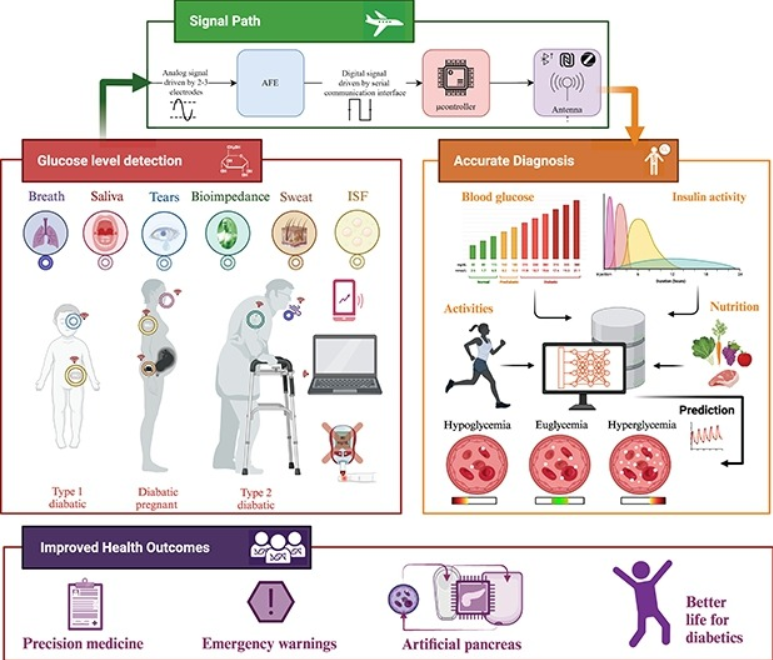
Wearable devices for glucose monitoring: A review of state-of-the-art technologies and emerging trends
Diabetes is a chronic condition that is characterized by high blood glucose levels and can cause damage to multiple organs over time. Continuous monitoring of glucose levels is essential for both diabetic and non-diabetic individuals. There have been major developments in glucose monitoring technology over the past decade, which have been driven by research and industry efforts. Despite these significant advancements, the area of glucose biosensors still faces significant challenges. This paper presents a comprehensive summary of the latest glucose monitoring technologies, including invasive
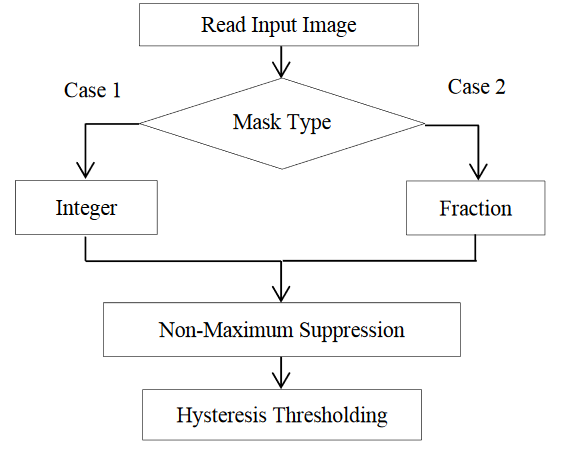
Fractional canny edge detection for biomedical applications
This paper presents a comparative study of edge detection algorithms based on integer and fractional order differentiation. A performance comparison of the two algorithms has been proposed. Then, a soft computing technique has been applied to both algorithms for better edge detection. From the simulations, it shows that better performance is obtained compared to the classical approach. The noise performances of those algorithms are analyzed upon the addition of random Gaussian noise, as well as the addition of salt and pepper noise. The performance has been compared to peak signal to noise
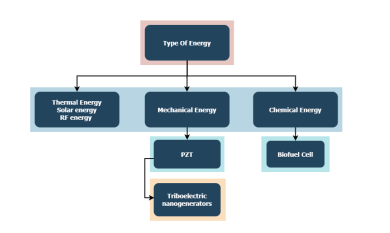
Study of Energy Harvesters for Wearable Devices
Energy harvesting was and still an important point of research. Batteries have been utilized for a long time, but they are now not compatible with the downsizing of technology. Also, their need to be recharged and changed periodically is not very desirable, therefore over the years energy harvesting from the environment and the human body have been investigated. Three energy harvesting methods which are the Piezoelectric energy harvesters, the Enzymatic Biofuel cells, and Triboelectric nanogenerators (TENGs) are being discussed in the paper. Although Biofuel cells have been investigated for a
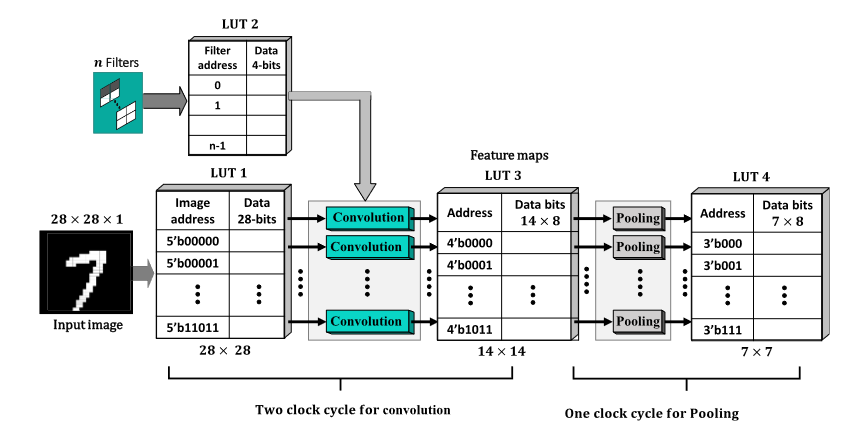
FPGA-Based Memristor Emulator Circuit for Binary Convolutional Neural Networks
Binary convolutional neural networks (BCNN) have been proposed in the literature for resource-constrained IoTs nodes and mobile computing devices. Such computing platforms have strict constraints on the power budget, system performance, processing and memory capabilities. Nonetheless, the platforms are still required to efficiently perform classification and matching tasks needed in various applications. The memristor device has shown promising results when utilized for in-memory computing architectures, due to its ability to perform storage and computation using the same physical element
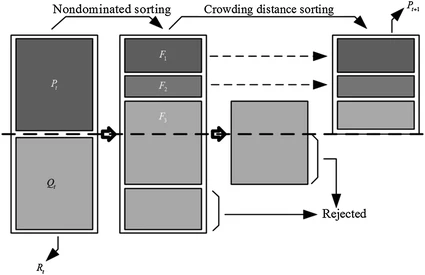
Chaotic system modelling using a neural network with optimized structure
In this work, the Artificial Neural Networks (ANN) are used to model a chaotic system. A method based on the Non-dominated Sorting Genetic Algorithm II (NSGA-II) is used to determine the best parameters of a Multilayer Perceptron (MLP) artificial neural network. Using NSGA-II, the optimal connection weights between the input layer and the hidden layer are obtained. Using NSGA-II, the connection weights between the hidden layer and the output layer are also obtained. This ensures the necessary learning to the neural network. The optimized functions by NSGA-II are the number of neurons in the
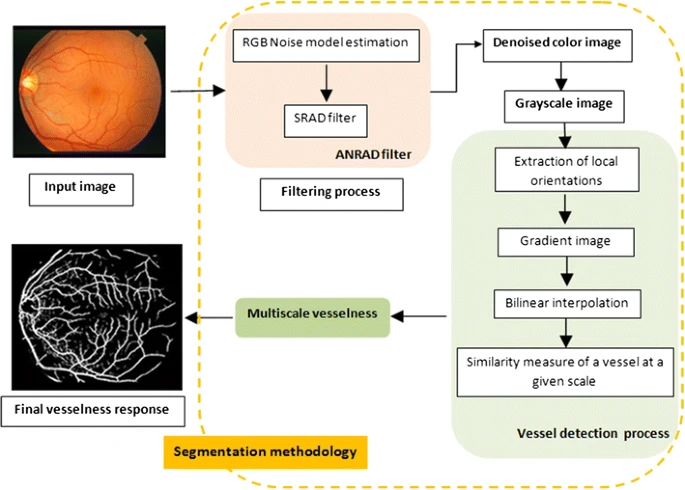
Noise-estimation-based anisotropic diffusion approach for retinal blood vessel segmentation
Recently, numerous research works in retinal-structure analysis have been performed to analyze retinal images for diagnosing and preventing ocular diseases such as diabetic retinopathy, which is the first most common causes of vision loss in the world. In this paper, an algorithm for vessel detection in fundus images is employed. First, a denoising process using the noise-estimation-based anisotropic diffusion technique is applied to restore connected vessel lines in a retinal image and eliminate noisy lines. Next, a multi-scale line-tracking algorithm is implemented to detect all the blood
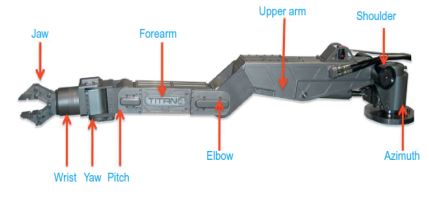
Control design approaches for parallel robot manipulators: A review
In this article, different control design approaches for parallel robot manipulators are presented with two distinguished classes of control strategies in the literature. These are the model-free control and the dynamic control strategy, which is mainly a model-based scheme, and is mostly the alternative when the control requirements are more stringent. The authors strongly believe that this paper will be helpful for researchers and engineers in the field of robotic systems. Copyright 2017 Inderscience Enterprises Ltd.