
Filter by
Internet of Things: A Comprehensive Overview on Protocols, Architectures, Technologies, Simulation Tools, and Future Directions
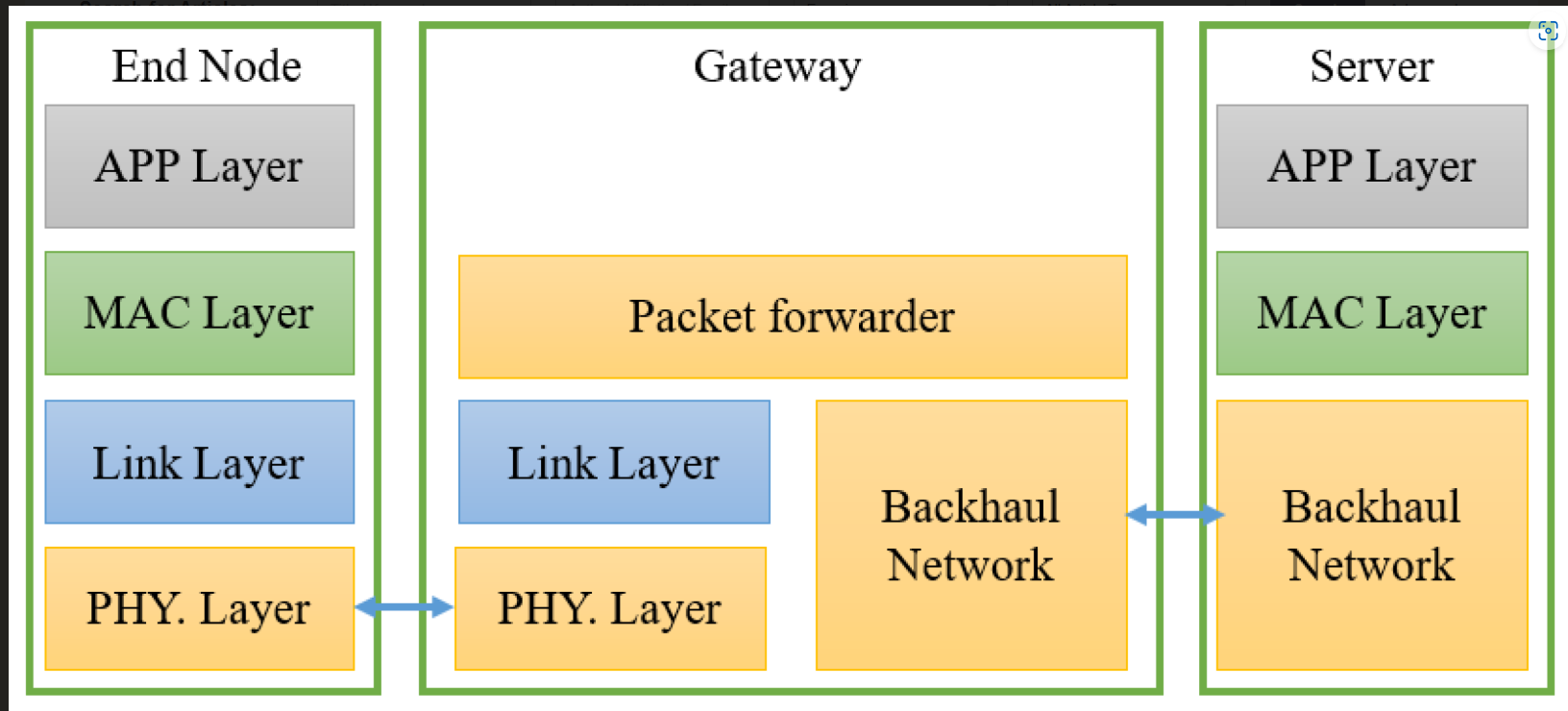
The Internet of Things (IoT) is a global network of interconnected computing, sensing, and networking devices that can exchange data and information via various network protocols. It can connect numerous smart devices thanks to recent advances in wired, wireless, and hybrid technologies. Lightweight IoT protocols can compensate for IoT devices with restricted hardware characteristics in terms of
A Lightweight Image Encryption Scheme Using DNA Coding and Chaos
Protecting transmitted multimedia data such as images is a significant concern. This work proposes an encryption algorithm for greyscale images using a Pseudo-Random Number Generator (PRNG), DNA coding, and pixel sum. The proposed approach is implemented on a Genesys 2 FPGA using minimal hardware resources and can operate at a maximum frequency of 110.8 MHz. In addition, several performance

CPW-Fed Bow-Tie Antenna for Ambient RF Energy Harvesting Applications
This paper presents a high-efficiency bow-tie antenna for ambient RF energy harvesting at the 2.4 GHz band. Moreover, a rectifier circuit that converts the AC into DC is proposed. The antenna is fed via a CPW transmission line where a quarter wavelength transformer is inserted to match the slot bow-tie with the 50-ohm transmission line. The structure is simulated using CST software, and results

Novel Edge AI with Power-Efficient Re-configurable LP-MAC Processing Elements
Deep learning has become increasingly important in various fields, such as robotics, image processing, and speech recognition. However, the high computational requirements of deep learning models make it challenging to deploy them on edge & embedded devices with constrained power and area budgets. This paper proposes a novel low-power technique for implementing deep learning models on edge devices

Pseudo Random Number Generators Employing Three Numerical Solvers of Chaotic Generators
Pseudo-Random Number Generator (PRNG) is required for various applications, especially cryptography. PRNGs are employed in symmetric-key algorithms, where a single key is used as a seed to the PRNG to generate a sequence of random numbers that are employed to encrypt and decrypt certain data. This work proposes a PRN G system that employs the time series generated from the numerical solution of

Preparation and Characterization of nZVI, Bimetallic Fe 0-Cu, and Fava Bean Activated Carbon-Supported Bimetallic AC-F e 0-Cu for Anionic Methyl Orange Dye Removal
A power-aware task scheduler for energy harvesting-based wearable biomedical systems using snake optimizer
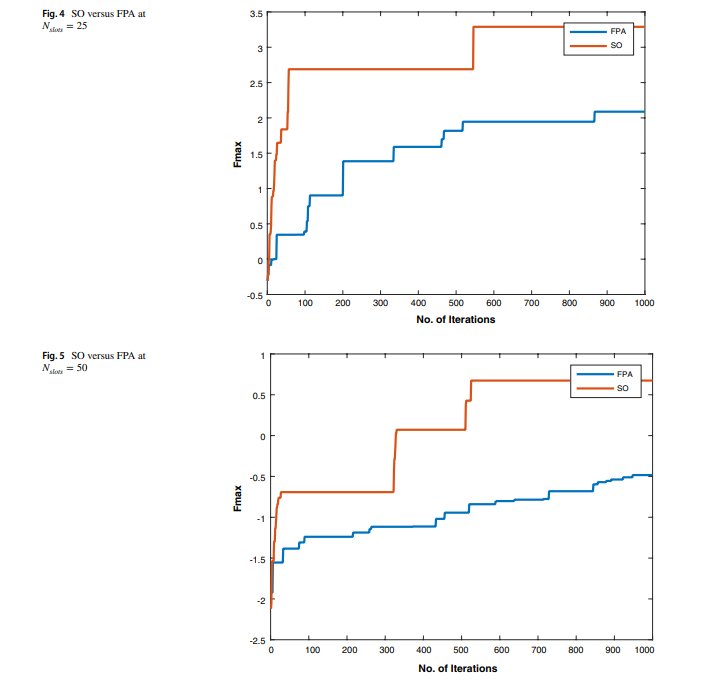
There is an increasing interest in energy harvesting for wearable biomedical devices. This requires power conservation and management to ensure long-term and steady operation. Hence, task scheduling algorithms will be used throughout this work to provide a reliable solution to minimize energy consumption while considering the system operation constraints. This study proposes a novel power-aware
Parameter Identification of Li-ion Batteries: A Comparative Study
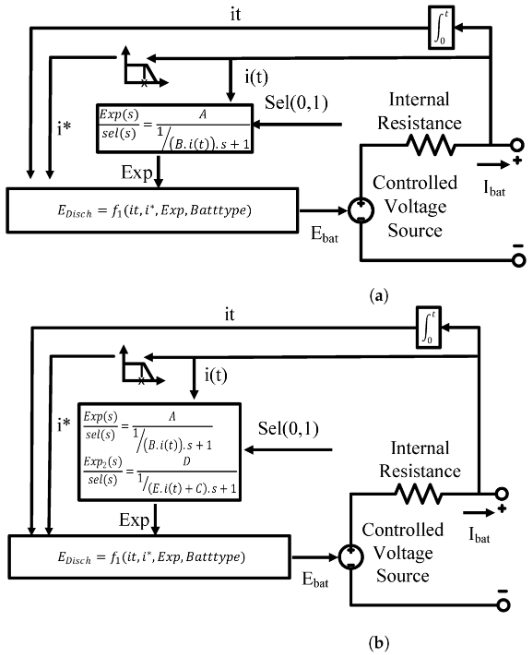
Lithium-ion batteries are crucial building stones in many applications. Therefore, modeling their behavior has become necessary in numerous fields, including heavyweight ones such as electric vehicles and plug-in hybrid electric vehicles, as well as lightweight ones like sensors and actuators. Generic models are in great demand for modeling the current change over time in real-time applications
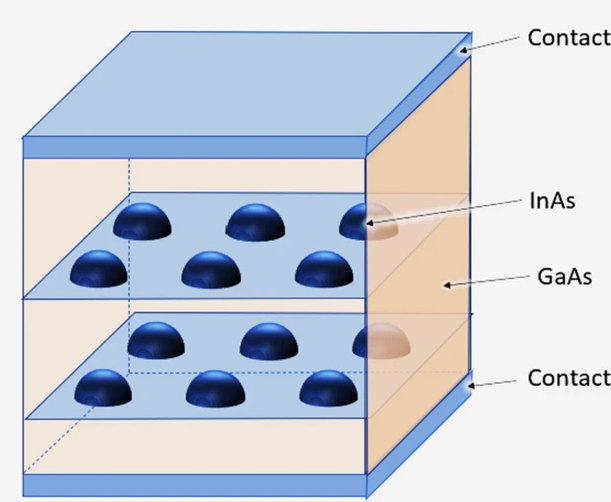
Modeling of dark current in semispherical quantum dot structures for infrared photodetection
Due to its tunable heterojunction bandgap and great sensitivity to normal incident illumination, the Quantum Dot Infrared Photodetectors (QDIPs) have received a lot of attention for the purpose of infrared sensing. It could be a very promising replacement for conventional infrared photodetectors made with established technology, including mercury cadmium telluride and quantum well infrared

Progressive Multi-Secret Sharing of Color Images Using Lorenz Chaotic System
Multi-Secret Image Sharing (MSIS) systems share multiple images to multiple participants in unintelligible forms that can be recovered using all the shares. This paper employs the concept of progressive secret sharing with MSIS to introduce a new system, where the number of used shares in the recovery process defines the quality of the recovered secrets. The proposed system works for any number of